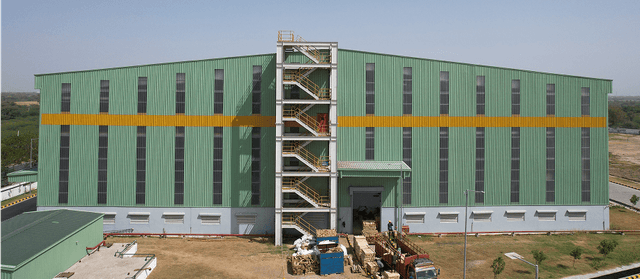
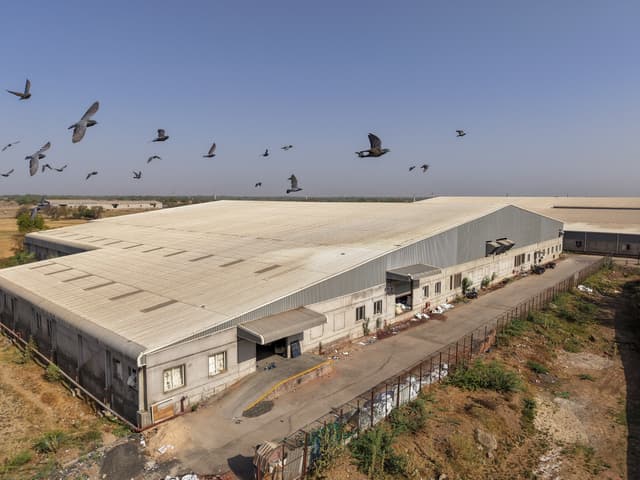
Sustainability in construction has moved from a niche concern to a mainstream mandate. With climate change and resource depletion looming large, Pre-Engineered Buildings (PEBs) provide a high-performance, eco-conscious alternative to traditional construction methods—especially when sustainability is addressed from the design phase itself.
Inherent Sustainability Advantages
- Recyclability: Steel is 100% recyclable and does not lose its properties even after multiple recycling cycles.
- Precision Fabrication: Factory-made components minimize on-site waste and reduce material overuse.
- Faster Construction: Reduced construction time translates into lower emissions and energy use.
Advanced Green Features
- Insulated Panels: Using PUF, EPS, or rockwool improves energy efficiency by maintaining internal temperatures and reducing HVAC load.
- Natural Lighting: Translucent panels, skylights, and light shelves reduce reliance on artificial lighting during daylight hours.
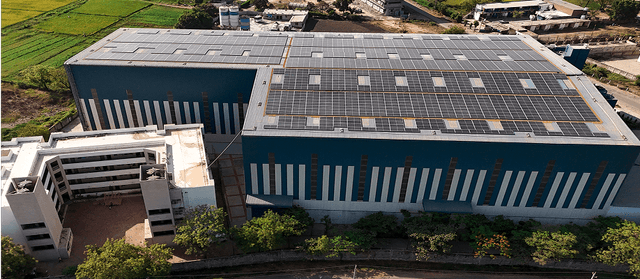
- Solar Integration: Load-bearing roofs can be pre-engineered to accommodate solar panels—offsetting energy costs and reducing carbon footprints.
- Rainwater Harvesting: Roof designs with gutters and storage tanks facilitate water conservation for landscaping or reuse.
- Low-Impact Construction Sites: Reduced noise, dust, and waste make PEBs environmentally preferable in sensitive or urban zones.
Certifications and Compliance
PEBs can be designed to meet the requirements of green building certification programs like:
- IGBC (Indian Green Building Council)
- LEED (Leadership in Energy and Environmental Design)
Conclusion
By combining material efficiency, operational energy savings, and adaptability to renewable technologies, PEBs are perfectly positioned to meet modern sustainability benchmarks. Sustainable buildings are no longer a futuristic idea—they are the industry standard.
 13, June 2025