Prefabricated Structures: Types, Uses & Industrial Benefits
Team SPSPL
 26, March 2026
Prefabricated Structures: Types, Uses & Industrial Benefits
26, March 2026The construction industry is evolving rapidly, and modern businesses are shifting towards faster, more efficient building solutions. One of the most significant advancements in this space is the rise of Prefabricated Structures, which are transforming how industrial and commercial buildings are designed and constructed. These structures offer speed, cost efficiency, and long-term durability, making them a preferred choice for industries worldwide.
From warehouses to factories, prefabricated construction is redefining infrastructure development by combining advanced engineering with precision manufacturing.
Prefabricated structures are buildings or components manufactured in a factory setting and assembled at the construction site. Unlike traditional construction, where materials are processed on-site, prefabrication ensures controlled production, reduced waste, and higher quality.
These structures include components such as steel frames, wall panels, roof systems, and modular units that are pre-designed and fabricated before installation. Because of their efficiency and performance, Pre fabricated buildings are widely used across industrial, commercial, and infrastructure projects.
Prefabricated construction offers various types of structures based on design, material, and application.
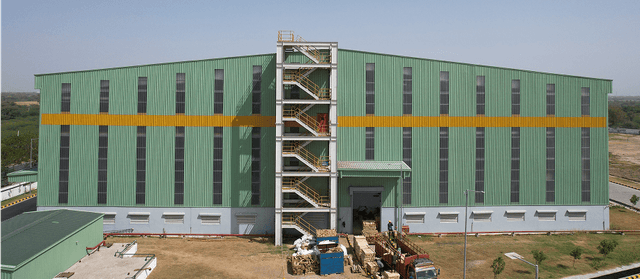
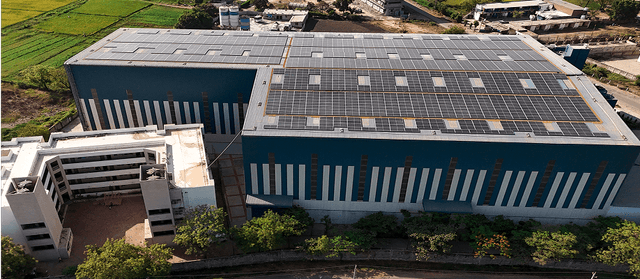
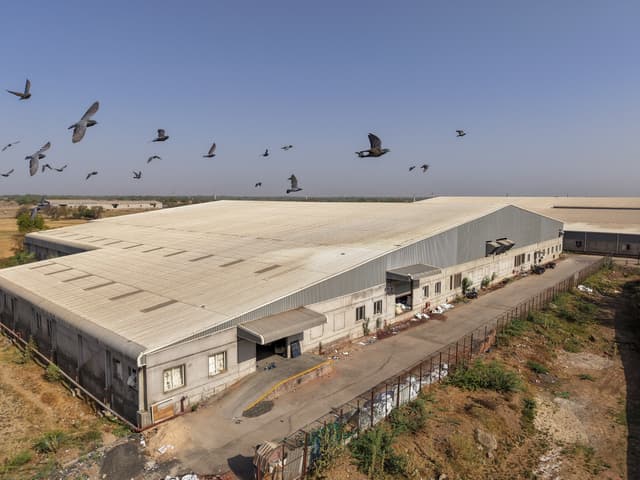
A steel prefabricated building is one of the most commonly used types due to its strength and flexibility. These structures are ideal for large-scale industrial applications such as warehouses and manufacturing units.
Modular structures are built in sections or modules that are transported and assembled on-site. These are commonly used for offices, site buildings, and temporary infrastructure.
Pre-engineered buildings are advanced steel structures designed using optimized engineering techniques. Pre engineered buildings India are widely used for industrial and commercial construction due to their speed and cost efficiency.
These buildings use pre-made wall and roof panels that are assembled on-site. They are commonly used for cold storage, clean rooms, and specialized industrial facilities.
Prefabricated construction is widely used across various industries because of its adaptability and efficiency.
Factories and production facilities benefit from prefabrication due to faster construction and customizable layouts.
With the rise of e-commerce and supply chain networks, Pre fabricated buildings are increasingly used for warehouses and distribution centers.
Prefabricated structures are also used for retail spaces, showrooms, and office buildings due to their modern design capabilities.
Airports, railway stations, and public facilities use prefabrication for faster project completion and cost control.
The growing adoption of Prefabricated Structures is driven by several key advantages that make them superior to traditional construction methods.
Prefabrication allows simultaneous site preparation and component manufacturing, reducing overall project duration significantly. This enables businesses to start operations earlier and improve return on investment.
Optimized material usage, reduced labor requirements, and minimal on-site waste contribute to lower construction costs. This makes prefabrication a financially viable solution for large industrial projects.
Prefabricated steel structures are designed using advanced engineering techniques and high-quality materials, ensuring long-term durability and resistance to environmental conditions.
Prefabricated buildings can be customized to meet specific project requirements. Features such as clear spans, mezzanine floors, and expansion capabilities allow businesses to scale operations easily.
Prefabrication reduces material wastage and supports energy-efficient construction practices. Steel structures are recyclable, making them an environmentally friendly choice.
When compared to conventional construction methods, prefabrication offers several distinct advantages:
These benefits have made prefabrication the preferred approach for modern industrial and commercial construction.
As industries grow and competition increases, businesses require construction solutions that are efficient, scalable, and cost-effective. Prefabricated structures meet these demands by delivering high-performance buildings in shorter timeframes.
The increasing demand for industrial infrastructure, especially in logistics and manufacturing sectors, has accelerated the adoption of prefabrication across India and global markets.
Prefabrication is revolutionizing the construction industry by offering faster, stronger, and more sustainable building solutions. With various types of prefabricated structures available, businesses can choose the most suitable option based on their operational needs and project requirements.
From industrial facilities to commercial spaces, prefabrication continues to drive innovation in modern construction. As demand grows, adopting Prefabricated Structures will remain a smart choice for businesses looking to build efficient and future-ready infrastructure.