Prefabricated Buildings: Benefits, Cost & Construction Process
Team SPSPL
 24, April 2026
Prefabricated Buildings: Benefits, Cost & Construction Process
24, April 2026Modern construction is evolving rapidly, and businesses are increasingly choosing faster, stronger, and more cost-efficient building methods. Among the most preferred solutions today are Prefabricated Buildings, which offer speed, flexibility, and long-term value for industrial and commercial projects. Unlike conventional construction, prefabrication shifts a major portion of the work to a controlled factory environment, improving quality while reducing delays.
From warehouses and factories to commercial facilities and infrastructure projects, prefabricated construction has transformed how businesses build. With growing industrial demand, companies are adopting prefabrication to optimize project costs and accelerate development timelines.
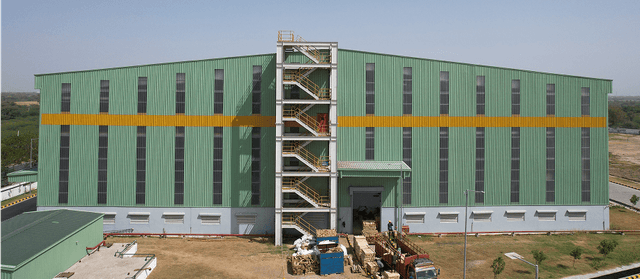
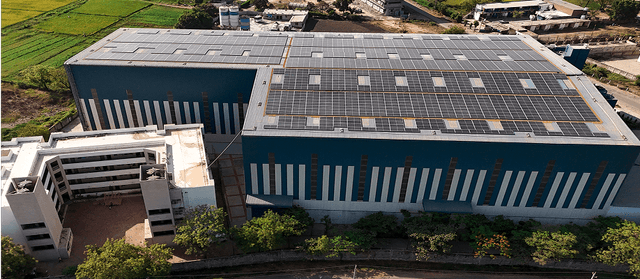
Prefabricated buildings are structures manufactured in sections or components at a factory and assembled at the project site. These components may include structural steel frames, roofing systems, wall panels, and support elements that are designed according to project requirements.
This approach improves consistency, reduces material waste, and speeds up construction significantly. Many industries now choose prefabrication because it offers a practical alternative to traditional building methods while maintaining durability and structural performance.
A modern steel prefabricated building is especially suitable for industrial applications where strength, scalability, and rapid execution are essential.
One of the biggest advantages of prefabrication is speed. Site preparation and manufacturing can happen simultaneously, reducing total project duration. Businesses can begin operations earlier, which directly improves return on investment.
Material optimization, reduced labor requirements, and lower on-site construction expenses make prefabrication highly economical. This is one reason Prefabricated Buildings are increasingly preferred for large industrial developments.
Prefabricated structures use engineered components and quality-controlled production methods, resulting in strong and reliable buildings capable of handling demanding industrial environments.
These buildings can be customized for clear spans, mezzanine floors, ventilation systems, crane support, and future expansion. This makes them ideal for growing operations.
Steel is recyclable, and factory-based manufacturing reduces waste, making prefabrication a more environmentally responsible approach to modern construction.
The cost of a prefabricated building depends on several factors, including design complexity, building size, steel grade, roofing systems, insulation requirements, and project location.
Larger buildings generally benefit from scale, but clear spans and structural loads can impact overall pricing.
Premium cladding, insulation panels, and specialized coatings may increase costs while improving long-term performance.
Custom layouts, crane systems, mezzanine floors, and ventilation systems can affect structural engineering and project budgets.
Foundation conditions, transportation logistics, and installation challenges can also influence total project cost.
While initial specifications vary, prefabricated construction often reduces lifecycle costs due to lower maintenance and operational efficiency.
Understanding the construction process helps businesses plan projects more effectively.
The process begins with structural planning and engineering analysis. Load conditions, usage requirements, and environmental factors are evaluated to create an optimized building design.
After design approval, structural components are manufactured in a controlled facility. This stage ensures:
This controlled process is a major advantage over conventional on-site construction.
Fabricated components are transported to the construction site in organized sequences for efficient installation.
Steel framing, roofing, wall systems, and accessories are assembled at the project site. Because components are pre-engineered, erection is faster and more efficient.
After installation, finishing systems and project inspections are completed before handover.
Prefabrication serves a wide range of industries due to its adaptability.
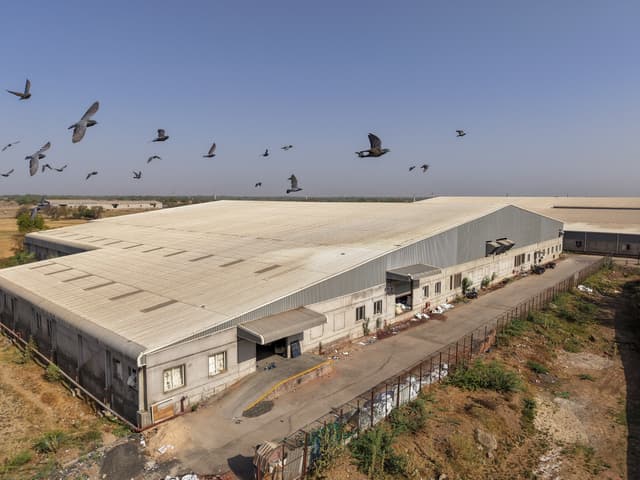
Large clear spans make prefabricated buildings ideal for warehouses, logistics hubs, and distribution centers.
Factories benefit from strong steel structures capable of supporting machinery, production lines, and future expansion.
Retail spaces, offices, and industrial showrooms also use prefabrication for faster development and modern aesthetics.
Transport facilities, industrial parks, and public infrastructure increasingly use prefabrication for efficient execution.
The growth of PEB buildings India further reflects how pre-engineered and prefabricated solutions are shaping industrial construction.
Choosing the right partner is critical for project success. Shree Prefab delivers advanced prefabricated construction solutions backed by engineering expertise and precision fabrication.
With modern manufacturing capabilities, Shree Prefab provides complete turnkey services from design and fabrication to installation. Their focus on quality, efficiency, and innovation helps businesses build durable and future-ready infrastructure.
Whether the requirement is a warehouse, factory, or commercial facility, working with experienced specialists ensures better performance and long-term value.
Compared to traditional methods, prefabrication offers major advantages:
These benefits make prefabricated construction increasingly attractive for industrial investors and developers.
Prefabrication has become a powerful solution for businesses seeking faster, stronger, and more economical construction. With advantages in speed, durability, flexibility, and sustainability, prefabricated buildings continue to transform industrial development.
As infrastructure demand grows, adopting Prefabricated Buildings is a smart long-term investment for companies focused on efficiency and future growth.