What Are Pre Engineered Buildings (PEB)?
Team SPSPL
 18, December 2025
What Are Pre Engineered Buildings (PEB)?
18, December 2025Modern construction is evolving rapidly, and Pre Engineered Buildings have emerged as one of the most innovative solutions for industrial, commercial, and infrastructure development. Designed with precision, fabricated in advanced facilities, and assembled quickly on-site, PEBs offer exceptional strength, flexibility, and long-term performance. As industries seek faster, more cost-efficient, and sustainable building technologies, PEB continues to transform the construction landscape in India and around the world.
This blog explores what PEBs are, how they are built, why they offer several advantages over traditional structures, and why they are becoming the preferred choice for industrial projects today.
Pre Engineered Buildings (PEBs) are modern steel structures designed and manufactured in a factory and assembled at the construction site using pre-fabricated components. These structures follow standardized engineering principles, allowing for faster production, reduced waste, and high structural accuracy.
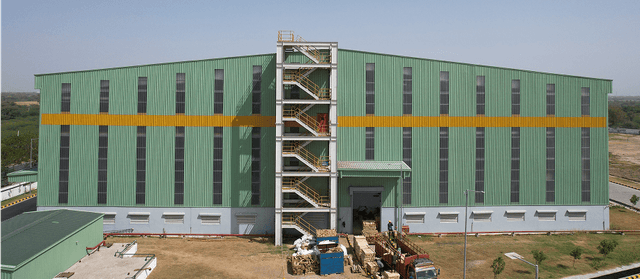
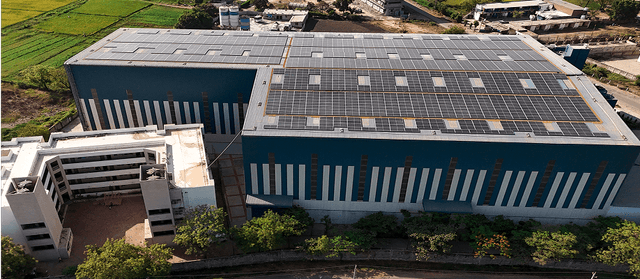
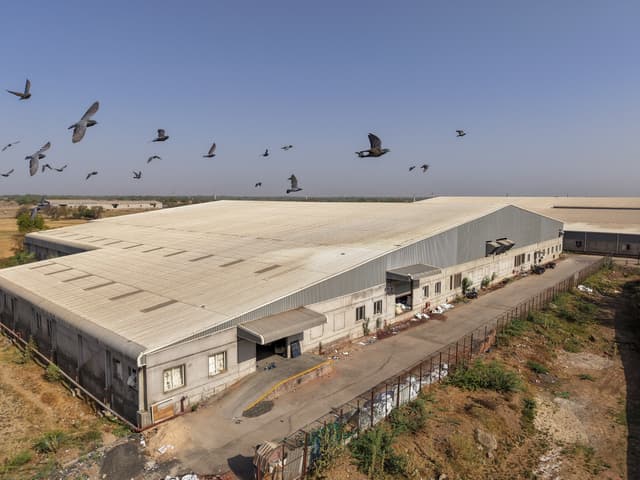
PEBs are commonly used for warehouses, industrial sheds, logistics facilities, commercial centers, and even multi-storey buildings. The system is engineered using advanced software where every component—columns, rafters, purlins, and panels—is designed to meet specific load requirements and environmental conditions.
Because of their efficiency and reliability, PEB buildings India are becoming a dominant choice across industries seeking speed and durability.
The process begins with a detailed analysis of building loads, functionality, climatic conditions, and engineering requirements.
Specialized software creates a design blueprint with exact dimensions and material specifications.
Unlike traditional construction, where materials are modified on-site, PEB components are manufactured in a controlled factory environment.
This method guarantees high precision, superior quality control, and efficient use of materials, resulting in faster production timelines and significantly reduced waste. The factory-driven approach ensures consistency and reliability in every structure.
After fabrication, components are transported to the site, where they are assembled like a steel framework puzzle. This method drastically reduces construction time and minimizes labor requirements.
This manufacturing-driven model is why prefabricated buildings are more reliable, durable, and cost-effective compared to traditional builds.
These standardized yet customizable components make Pre Engineered Buildings versatile for multiple industrial and commercial applications.
PEBs can be completed in 30–50% less time than conventional buildings because:
For industries, faster completion means faster operations and reduced project downtime.
Pre-engineered buildings reduce costs through optimized material usage, lower labor requirements, and minimal on-site waste. Transportation and installation are simpler and more efficient, making the entire project more economical. These cost benefits make prefabricated buildings a preferred choice for industries looking for long-term savings.
PEBs are engineered using high-tensile steel designed to withstand heavy loads, strong winds, seismic activity, and environmental wear. Their robust construction ensures long-lasting performance with minimal maintenance, making PEB buildings ideal for demanding industrial environments.
PEBs provide exceptional design versatility, allowing customization for large clear spans, mezzanine floors, crane systems, roof shapes, and exterior finishes. This flexibility enables businesses to create structures that are perfectly suited to their operational, logistical, and aesthetic requirements.
Sustainability is a major advantage of PEBs because steel is 100% recyclable and produces far less waste compared to traditional materials.
The structures also support energy-efficient insulation, reducing heating and cooling demands and lowering the building’s environmental footprint. For companies embracing green construction practices, Pre Engineered Buildings are a smart and sustainable solution.
The versatility and scalability of PEBs make them suitable for nearly every industrial and commercial need.
Industries today demand structures that are fast to build, affordable, highly durable, and easy to maintain. Pre Engineered Buildings perfectly satisfy these expectations.
They reduce human error due to factory-controlled production, lower maintenance costs over time, and support rapid industrial expansion. Whether it's building warehouses for e-commerce giants or manufacturing units for large industries, PEBs offer unmatched efficiency and performance.
With continued innovation in steel technology and modular construction, PEBs will play an even larger role in shaping modern infrastructure.
Pre Engineered Buildings represent a major shift in how industries approach construction. With faster timelines, better cost control, superior engineering, and sustainability advantages, PEBs are now the preferred choice for industrial development across India.
As demand continues to grow, businesses adopting PEB solutions gain a competitive advantage through efficient, scalable, and future-ready infrastructure. Whether for warehouses, factories, or commercial spaces, these modern steel buildings offer long-term value and reliability.